
How Abu Dhabi's Department of Municipalities and Transport Used TraceMark Flow to Respond to Floods
When the Arabian Gulf's heavy rain event hit in April 2024, Abu Dhabi's Department of Municipalities and Transport (DMT) faced a fast-moving problem: major disruption to traffic flow and infrastructure across the emirate, with residents feeling the impact in real time.
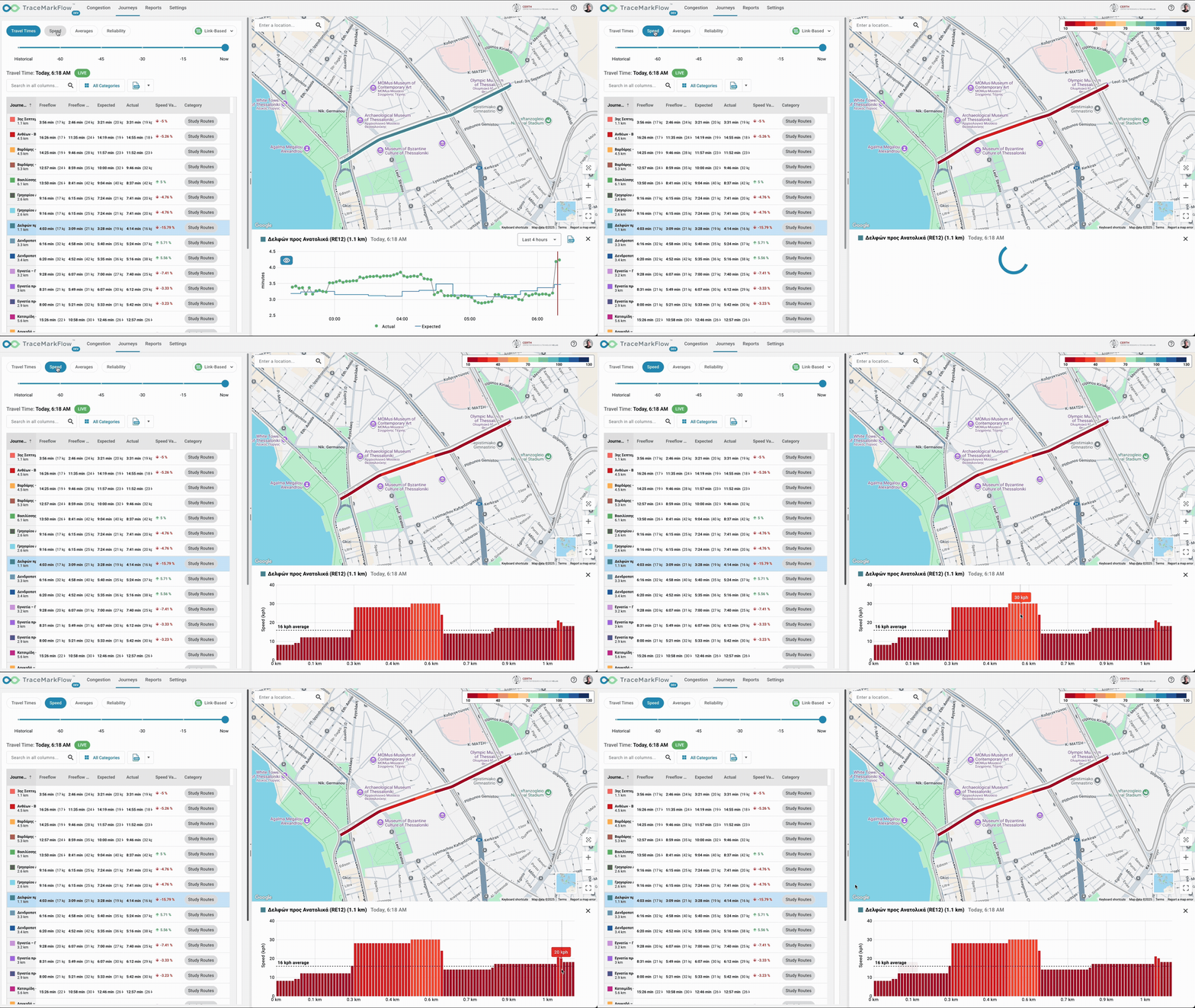
DMT's Abu Dhabi Mobility Operations team turned to TraceMark Flow NGIS's Google Cloud-powered traffic-monitoring solution to understand what was happening on the network in real time. Through TraceMark Flow's dashboard, the team could see live traffic conditions plotted on a Google Map alongside supporting tables and charts, giving them a clear, current view of where congestion and disruption were building so they could act on it rather than react after the fact.
What TraceMark Flow enabled in the moment
During the flooding, near-real-time traffic data let the team spot congestion as it formed, whether caused by flooding directly or by the knock-on effects across the network, and respond with targeted advisories and diversions rather than a blanket response. That immediacy is the core of what TraceMark Flow is built to do: turn live traffic data into decisions operators can act on straight away.
Where this is headed next
The flood response also pointed to where TraceMark Flow's role could grow. NGIS is exploring how the platform could be extended to support DMT's longer-term resilience planning, including:
Predictive inundation mapping: pairing real-time weather and elevation data with traffic data to flag at-risk areas before flooding occurs, not just after.
Resource allocation: using live traffic conditions to help route emergency vehicles, personnel, and equipment to where they're needed fastest.
Historical pattern analysis: using past flood-event traffic data to identify recurring congestion zones, informing where drainage or road upgrades matter most.
Evacuation route planning: identifying and communicating the most reliable corridors for residents during future events.
These capabilities build on the same real-time data foundation DMT already relies on for day-to-day traffic monitoring, extending it toward the kind of proactive resilience planning that matters most before the next event, not just during it.
Building a more resilient Abu Dhabi
The April 2024 floods were a reminder that intelligent traffic management isn't just about smoother commutes; it's part of how a city responds when conditions change fast. With TraceMark Flow, DMT has real-time visibility into what's happening on its network today, and a foundation to build toward a more coordinated, data-driven response for whatever comes next including sharing that visibility with emergency services, public transport authorities, and utility partners who all have a stake in keeping the city moving.